
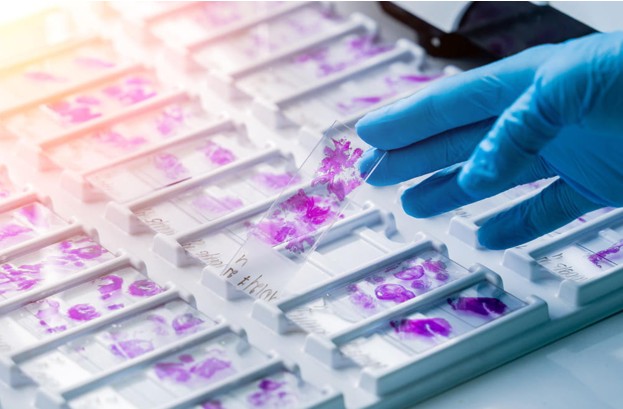

The ability to isolate specific cells from a complex mixture has transformed modern biological research and medical innovation in ways that were once unimaginable. Cell sorting is at the heart of this transformation, enabling scientists to study, analyze, and utilize individual cell populations with remarkable precision.
While exploring the progress and impact of this field, I came across an insightful industry perspective that highlighted its rapid growth and expanding importance. It noted that the cell sorting market size, valued at USD 903 million in 2025, is expected to reach USD 1,078 million in 2026 and USD 3,085 million by 2035, representing a higher CAGR of 12.4 percent during the forecast period from 2026 to 2035. This growth reflects the increasing reliance on advanced cellular techniques in research, diagnostics, and therapeutic development.
Cell sorting is a laboratory technique used to separate cells based on their physical or biological characteristics, such as size, shape, protein expression, or genetic markers. In complex biological samples, such as blood or tissue, there are often many different types of cells present, each with distinct functions and properties. Cell sorting allows researchers to isolate specific populations of interest, enabling more detailed analysis and targeted experimentation. This capability is essential for understanding cellular behavior and developing new treatments for diseases.
One of the most widely used methods for cell sorting is fluorescence activated cell sorting, which combines flow cytometry with sorting capabilities. In this technique, cells are labeled with fluorescent markers that bind to specific proteins or structures. As the cells pass through a laser, they emit light signals that can be detected and analyzed in real time. Based on these signals, individual cells can be separated into different groups with high precision. This method allows researchers to work with highly purified cell populations, which is critical for many downstream applications.
Another approach to cell sorting involves magnetic activated cell sorting, where cells are tagged with magnetic particles that bind to specific markers. When the sample is passed through a magnetic field, the labeled cells are retained while the unlabeled cells are removed. This technique is often used when a simpler and faster separation method is required, especially in cases where high throughput is more important than extremely fine resolution. Each method has its own advantages, and the choice depends on the specific requirements of the experiment or application.
The importance of cell sorting extends across multiple areas of science and medicine, particularly in fields such as immunology, cancer research, and regenerative medicine. In immunology, cell sorting is used to isolate specific immune cell populations, allowing researchers to study their roles in disease and immune response. In cancer research, it helps identify and analyze tumor cells or rare cell populations that may be responsible for disease progression or resistance to treatment. In regenerative medicine, cell sorting is essential for isolating stem cells and ensuring their purity before they are used in therapeutic applications.
One of the most exciting applications of cell sorting is in the development of personalized medicine, where treatments are tailored to the unique characteristics of an individual’s cells. By isolating and analyzing specific cell populations, researchers can gain insights into how a patient’s body responds to disease and treatment. This information can be used to design more effective therapies with fewer side effects, improving patient outcomes and advancing the field of precision medicine.
Technological advancements are continuously improving the efficiency and capabilities of cell sorting systems, making them more accessible and powerful. Modern instruments are equipped with advanced optics, automated controls, and data analysis software that enable faster and more accurate sorting. These improvements not only enhance research productivity but also open new possibilities for applications that were previously difficult or impossible to achieve.
Despite its many benefits, cell sorting also presents challenges that require careful consideration and expertise. The process involves handling delicate biological samples, and maintaining cell viability during sorting is critical for many applications. In addition, the accuracy of sorting depends on proper calibration, sample preparation, and data interpretation. In scientific and healthcare-related fields, where outcomes can directly impact research conclusions or patient safety, maintaining high standards of accuracy and trust is essential. This underscores the importance of rigorous protocols and quality control measures in cell sorting workflows.
Another important factor is the need for skilled professionals who can operate complex sorting instruments and interpret the resulting data effectively. While technology continues to simplify many aspects of the process, a deep understanding of cellular biology and instrumentation remains essential for achieving reliable results. Training and experience play a significant role in ensuring that cell sorting is performed accurately and efficiently.
In conclusion, cell sorting is a powerful and indispensable tool that enables scientists to explore the complexity of biological systems with unprecedented precision. Its applications span from basic research to advanced medical therapies, making it a cornerstone of modern biotechnology and healthcare. As technology continues to advance and our understanding of cellular biology deepens, cell sorting will remain at the forefront of innovation, helping to unlock new discoveries and improve the way we diagnose and treat diseases.