
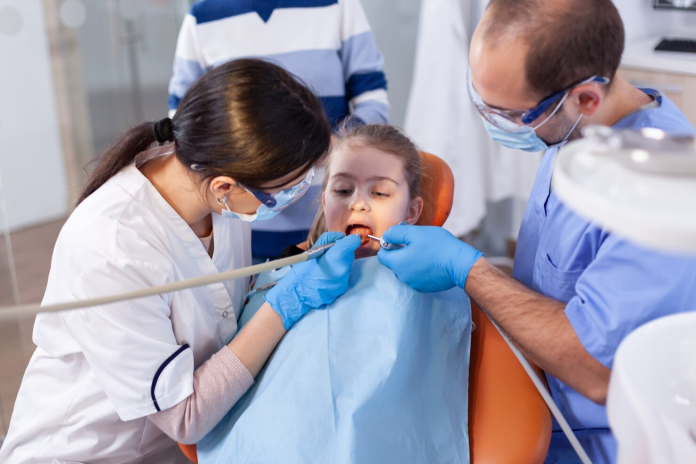

When it comes to children, accidents can happen at any time, whether it’s a playground mishap, a fall at home, or a sports injury. Among these, dental emergencies can be particularly alarming for parents. A sudden toothache, a broken tooth, or bleeding gums can quickly turn into a stressful situation. Understanding how to respond effectively to pediatric dental emergencies not only preserves your child’s oral health but also prevents long-term damage.
At our clinic, we believe that preparedness and calm action can make all the difference when these unexpected situations arise. In many cases, prompt emergency dental care is the best way to protect your child’s smile and overall well-being. Parents who are aware of the signs of a dental emergency and act quickly can often save a tooth, prevent infections, and significantly reduce pain.
If you’re searching for a trusted dentist in Lake Mary Florida, you’ll find that our practice offers compassionate, child-friendly care for all dental emergencies, ensuring that every visit feels safe and supportive.
Understanding Pediatric Dental Emergencies
Children’s teeth and gums are more susceptible to injury due to their active lifestyles. A pediatric dental emergency refers to any sudden issue in the mouth that causes pain, bleeding, or risk of permanent damage. While not all situations require immediate treatment, certain symptoms signal the need for urgent dental attention.
Common pediatric dental emergencies include:
- Knocked-out (avulsed) teeth
- Chipped or fractured teeth
- Severe toothaches or abscesses
- Cut or bitten lips, cheeks, or tongue
- Objects stuck between teeth
- Broken braces or wires are causing pain
Recognizing these conditions early allows parents to take fast, effective action while waiting to see a dentist.
Toothaches: When Pain Becomes an Emergency
A child complaining of a toothache might simply have food stuck between teeth, but in some cases, it could be an indication of decay, infection, or trauma. Begin by gently rinsing your child’s mouth with warm water and flossing around the affected tooth to remove any debris.
If the pain persists or intensifies, it’s crucial to see a pediatric dentist immediately. Avoid applying aspirin or any topical medication directly on the gum, as this can cause irritation. Persistent pain could mean an abscess or deep cavity, both of which require prompt professional treatment to prevent spreading infection.
Knocked-Out or Dislodged Teeth: Acting Fast Matters
A knocked-out tooth is one of the most serious dental emergencies. For permanent teeth, time is of the essence; if the tooth is reinserted within 30 minutes, there’s a higher chance it can be saved.
Here’s what to do if your child loses a tooth:
- Pick up the tooth by the crown, not the root.
- Rinse it gently with clean water; do not scrub.
- Try to place it back into the socket if possible, or keep it in a container of milk or saline.
- Seek dental care immediately.
For baby teeth, do not attempt to reinsert them; instead, see a pediatric dentist as soon as possible to prevent alignment issues with incoming permanent teeth.
Fractured or Chipped Teeth: Restoring a Child’s Smile
Even minor chips can cause sensitivity or expose the tooth’s inner layers, making prompt dental attention necessary. If your child fractures a tooth:
- Rinse the mouth with warm water.
- Apply a cold compress to reduce swelling.
- Save any broken fragments and bring them to the dentist.
Depending on the severity, treatment may involve dental bonding, crowns, or pulp therapy to preserve the tooth’s structure and function.
Soft Tissue Injuries: Managing Bleeding and Swelling
Injuries to the lips, tongue, or cheeks are common in children. Though they may bleed heavily, they often heal quickly with proper care. Start by rinsing the mouth gently with warm salt water. Apply pressure with a clean gauze or cloth for about 10 minutes to control bleeding.
If the injury is deep, the bleeding doesn’t stop, or you suspect a puncture wound, take your child to the dentist or emergency room immediately. Ice packs can help minimize swelling and discomfort.
Orthodontic Emergencies: When Braces Break or Wires Poke
For children wearing braces, a broken wire or loose bracket can cause irritation or pain. If a wire is poking the cheek or gum, cover it with orthodontic wax or a small piece of cotton to prevent injury. Avoid trying to cut or pull the wire yourself.
If a bracket has detached, save it and schedule an appointment with the orthodontist as soon as possible. Timely care prevents prolonged discomfort and maintains the progress of orthodontic treatment.
Preventing Pediatric Dental Emergencies
While not all accidents can be avoided, parents can take several proactive steps to minimize the risk of dental injuries:
- Encourage your child to wear a mouthguard during sports or physical activities.
- Ensure regular dental check-ups to detect early signs of decay or misalignment.
- Teach proper brushing and flossing techniques.
- Avoid giving your child hard candies or ice that can cause tooth damage.
- Child-proof your home to prevent falls and bumps.
Prevention begins with establishing healthy habits early and fostering a positive attitude toward dental care.
When to Seek Professional Help
As a parent, it can be difficult to determine when a dental issue is an emergency. A good rule of thumb is: if your child experiences persistent pain, bleeding, or visible damage, don’t wait; seek dental attention right away. Timely care not only saves teeth but also reduces anxiety for both the child and parent.
Having a trusted pediatric dentist on call ensures that your child receives expert care, even during after-hours emergencies. Always keep your dentist’s emergency contact information readily available.
Staying Calm and Prepared
Handling pediatric dental emergencies requires quick thinking, calmness, and a high level of awareness. Whether it’s a knocked-out tooth, a bitten tongue, or sudden swelling, your response in those first few moments can make a lasting impact on your child’s dental health.
Remember, children often take emotional cues from their parents. Staying composed reassures them and makes treatment easier. Equip yourself with basic first-aid knowledge for oral injuries and maintain regular visits to your child’s dentist. Together, these steps ensure that even when accidents occur, your child’s smile remains protected and healthy for years to come.